Furman University Men’s Soccer | NCAA Division I | Catapult Vector Core
Key Takeaways:
- Data helps to prevent injuries: Daily monitoring of player load, high-speed running, and distance using Catapult technology allowed coaches to optimize recovery and keep players healthy.
- Data drives engagement: Sharing performance metrics directly with the athletes increased individual accountability and created a more motivated team culture.
- Technology is an investment: Program success relies heavily on player health and availability, making sports performance technology a valuable investment for achieving results.
The No. 16 Seed That Made the Final Four
Nobody had Furman on their radar.
A mid-major program from Greenville, South Carolina, seeded 16th in a field of 48 teams. A young squad with freshmen starting in defense. A head coach in his final season before retirement after 31 years on the sideline.
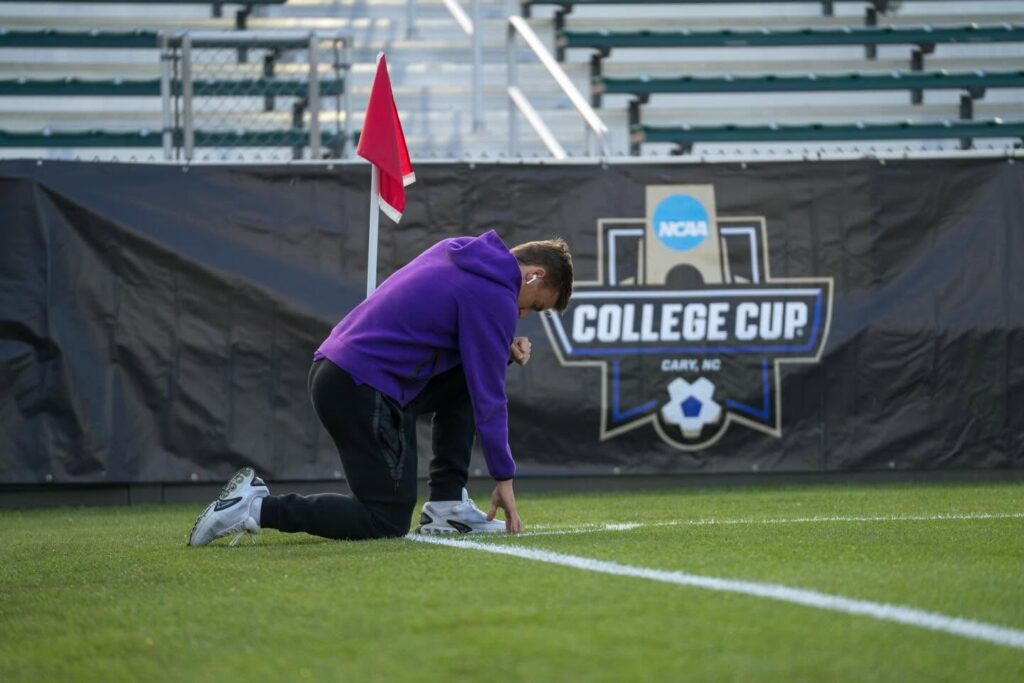
And yet, when the 2025 NCAA College Cup semifinals arrived, there were the Furman Paladins, one of four teams left standing in college soccer, riding a 14-match unbeaten run that was the longest in the entire country.
How do you get a young team to peak at exactly the right moment, across one of the longest and most demanding seasons in collegiate sport? For Furman Men’s Soccer, a big part of the answer had been in place for nearly eight years.
Keeping Players Available
Collegiate soccer is relentless. From preseason through conference play and into a postseason that rewards no one for arriving tired, coaches are constantly making judgment calls about when to push and when to pull back. Get it wrong and your best players aren’t on the pitch when it matters most.
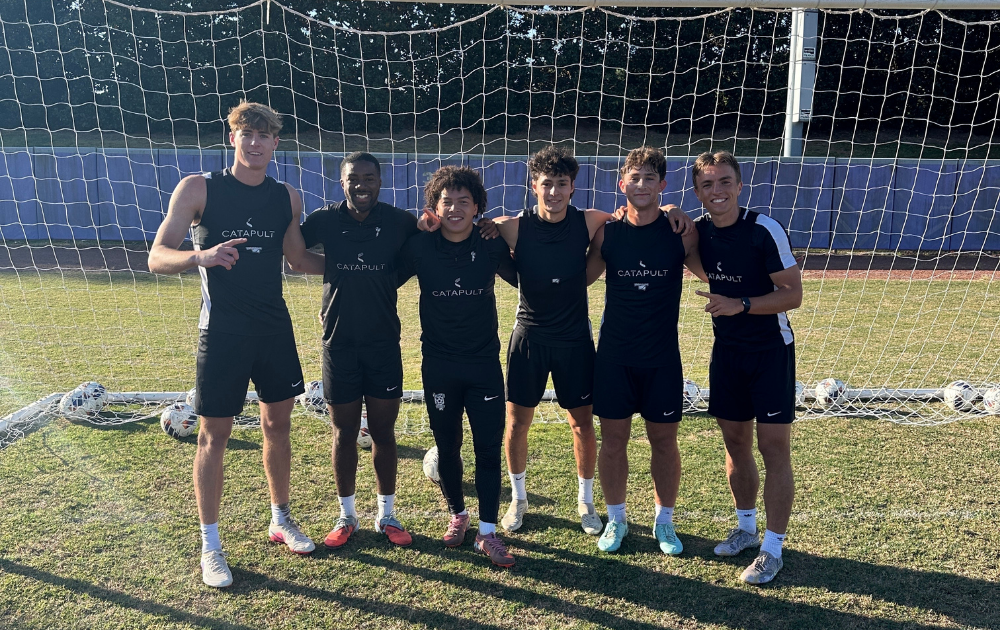
Furman’s staff used Catapult’s Vector Core and OpenField platform every single day to take the guesswork out of those decisions. Player Load, high-speed running data and total distance gave coaches a clear picture of where each individual was physically, not just as a squad, but person by person.
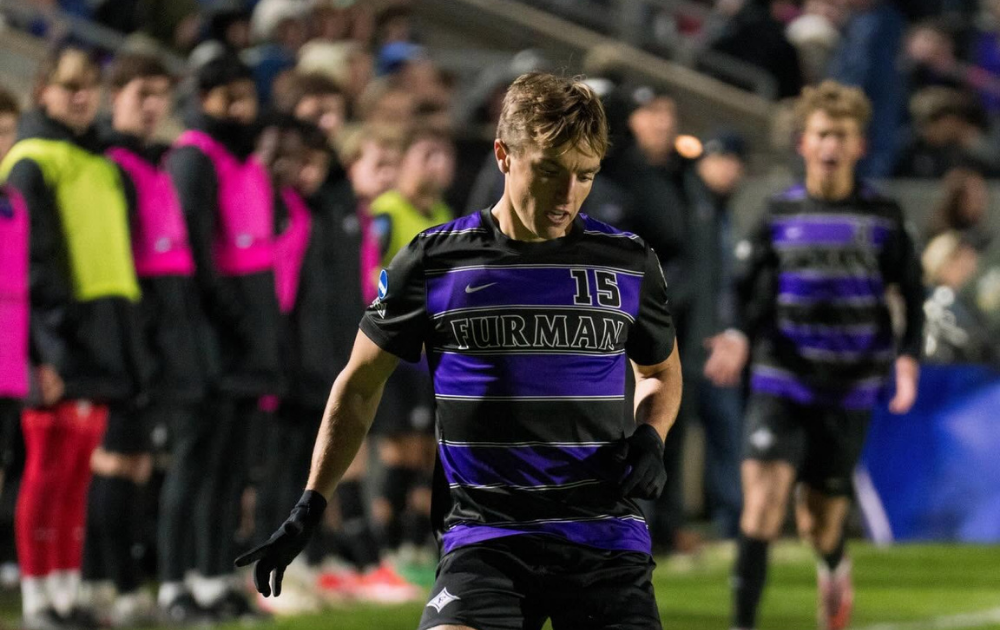
“It allowed us to keep our players fresh, minimize injury risk, and ensure we were peaking at the right time,” Brandon Tucker, Head Coach, Furman College.
That discipline paid off in the numbers. Despite fielding a defense built largely around freshmen and a sophomore, Furman recorded 10 shutouts across 22 matches and conceded less than a goal per game all season.
The Postseason Test
Deep NCAA Tournament runs are where programs find out what they’re really made of, physically as much as mentally. The matches come quickly. Recovery windows shrink. And the margin between winning and losing becomes razor thin.
For Furman’s coaching staff, having objective data during those weeks wasn’t a luxury, it was essential.
“During high-demand stretches like postseason play, it becomes even more critical,” Tucker said. “We’re able to strike the right balance between recovery and maintaining sharpness, ensuring players are physically prepared without being overextended.”
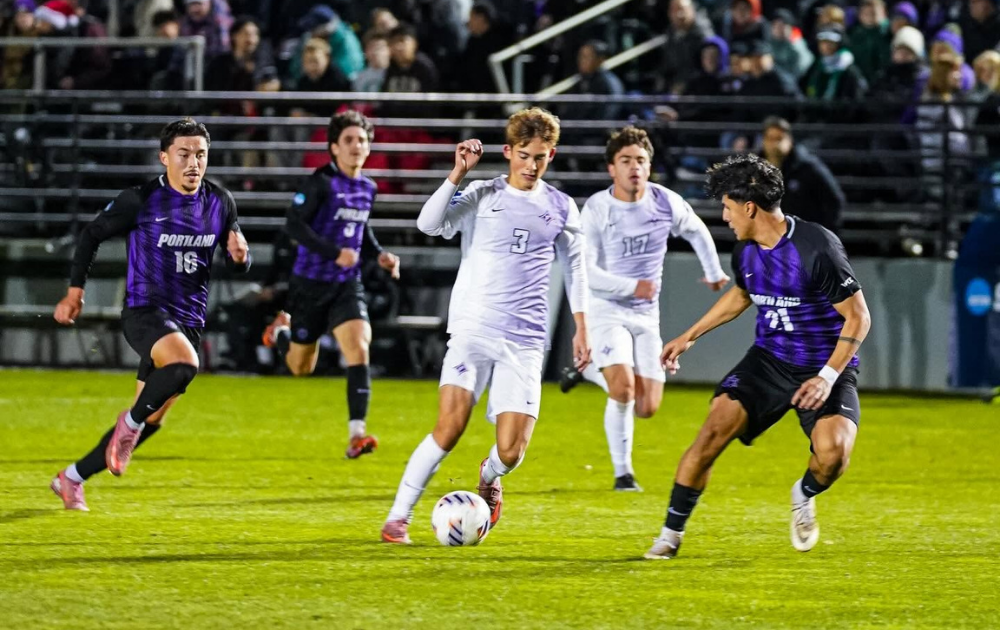
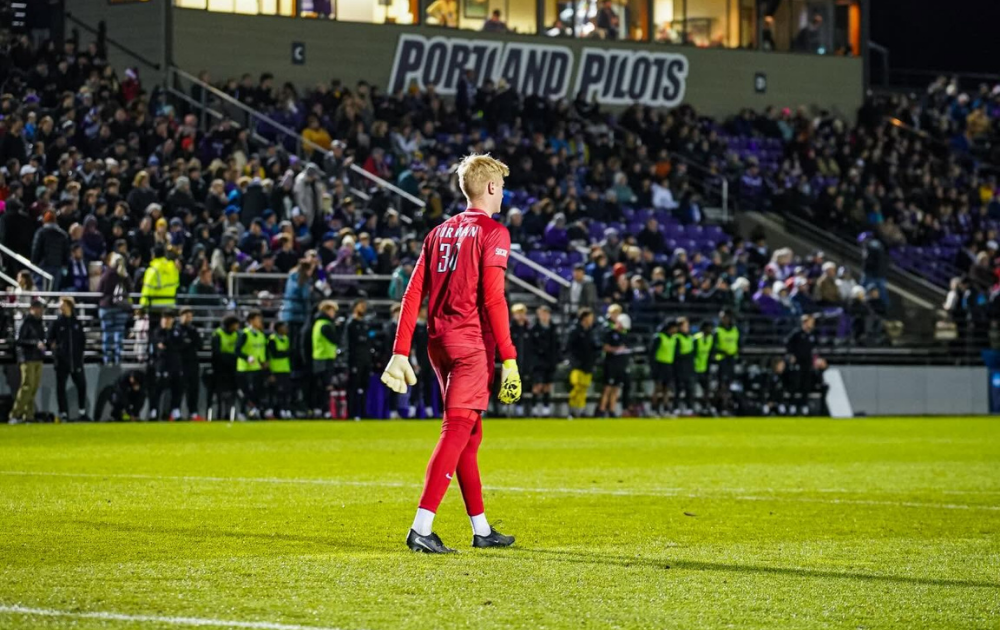
The Paladins knocked out higher seeds along the way, culminating in a 1-0 victory at No. 8 seed Portland, sealed by a stunning 40-yard chip from freshman Braden Dunham in the 75th minute, to reach the College Cup for the first time in program history.
What It Meant for the Players
Data only works if players trust it. At Furman, that trust was earned.
When athletes could see their own load trends, their high-speed running numbers, how their week compared to the last, something shifted. Training became more intentional. Standards rose. Players stopped waiting to be told how they were doing and started owning it themselves.
“Having access to their data has increased accountability and ownership of their development,” Tucker said. “It’s created a more competitive and intentional training environment, where players are more engaged and motivated to meet and exceed performance standards.”
That culture of accountability ran through the entire squad. Midfielder Diego Hernandez, the SoCon Player of the Year and a national player of the year finalist, led the team with 10 goals and nine assists. The team finished second in the country for goals scored and total points, and third in assists, a collective output that doesn’t happen without collective buy-in.
Eight Years In
The 2025 season wasn’t Furman’s first with Catapult. It was their eighth. And Tucker is clear that the longevity of the partnership is part of what makes it work.
“The service and support from Catapult have been outstanding. Over the past eight years, we’ve built a strong relationship with their staff, who have always been responsive, knowledgeable, and invested in our success.”
For programs weighing up the cost of athlete monitoring against tight collegiate budgets, Tucker has a straightforward message:
“My advice would be to view athlete monitoring as an investment rather than an expense. The ability to keep players healthy, available and performing at a high level has a direct impact on results, and a solution like Catapult provides tremendous value in helping you achieve those goals.”
Results at a Glance
Final record: 16-1-5 | NCAA College Cup Semifinalists (top 4 of 48 teams) | Nation-best 14-match unbeaten run | 10 shutouts in 22 matches | 2nd nationally in goals scored and total points | 3rd in assists | United Soccer Coaches South Region Staff of the Year, second consecutive year.
Catapult works with 5,000+ teams worldwide. Find out what it can do for yours.
About Catapult
Catapult is the global leader in sports performance technology, trusted by 5,500+ teams across professional and collegiate sport worldwide, from the Premier League and NFL to NCAA programs like Furman. Catapult’s wearable technology and analytics platform helps coaches make smarter decisions to keep athletes healthy and performing at their best.