Charleston Southern University | Football & Men’s Basketball | Catapult Vector & Perch
Catapult Sports
Key Takeaways:
- One deal solved two budget problems: Charleston Southern’s football program had wanted GPS tracking for years but couldn’t justify the cost. Catapult’s acquisition of Perch let CSU bundle GPS and VBT into a single investment.
- A season that got faster as it went: Using Catapult data to adjust early-week practice load, CSU football played its fastest game of the season in week 12, along with a drop in soft tissue injuries.
- A decade of trust across three programs: Noel Durfey has run Catapult and Perch at Duke, FIU, and now Charleston Southern, and says he wouldn’t consider running anything else.
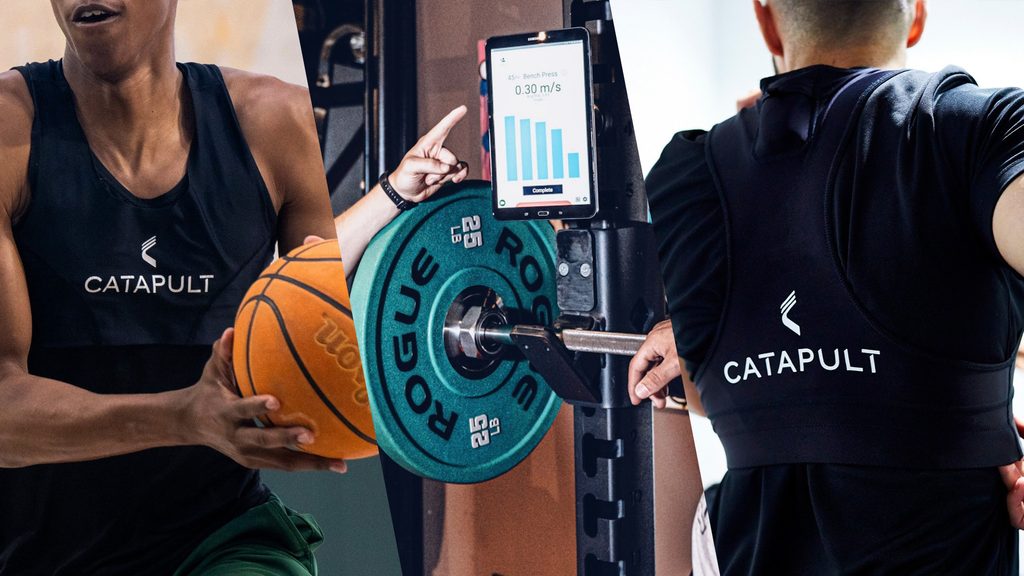
The Budget Problem That Solved Itself
For years, Charleston Southern’s football staff wanted GPS tracking. The expense kept getting in the way.
That changed when Catapult acquired Perch. Suddenly, GPS and velocity-based training weren’t two separate purchases competing for the same budget line, they were one package.
“Head football had been wanting GPS; however, was struggling with the expense,” said Noel Durfey, Assistant Athletic Director for Sports Performance at Charleston Southern. “When Catapult bought out Perch, CSU was able to bundle GPS technology and VBT.”
Today, Vector and Perch both run across CSU’s football and men’s basketball programs. “The timing was right to purchase both Catapult and Perch,” Durfey said.
A Decade of Trust in One System
For Durfey, the decision wasn’t really a decision. He’s been running Catapult since 2014, when he started using it at Duke, and Perch has followed him through three separate programs.
“I began using Catapult at Duke in 2014,” Durfey said. “After using it for 8 years there, and 1 year now at Charleston Southern, I couldn’t imagine using any other system.” Perch has made the same trip. “This is the third university that I have been fortunate enough to have Perch installed: Duke, FIU, and CSU.”
What’s kept him loyal across three jobs is simplicity paired with depth. “Reports are simple to produce, and you are able to vary the metrics you want to track at any time,” he said. “I love the simplicity of the interface and the constant updates that make it easier to use and give us more information to look at after sessions are completed.”
Metrics Built for Two Different Sports
CSU’s staff pulls a detailed set of numbers from both systems every day.
From Perch, they print daily reports on mean velocity, peak velocity, training load, and percentage of training max. From Vector, they track player load, player load per minute, distance, high-speed distance, max velocity, percentage of max velocity, average and max heart rate, percentage of max heart rate, accelerations and decelerations, sprint efforts, and meters per minute.
That range lets Durfey’s staff tailor monitoring to what football and basketball actually need, rather than applying one generic template across both sports.
A Faster Team by Week 12
The clearest proof point from the 2025 football season came from head coach Gabe Giardina himself adjusting his own week based on the numbers in front of him.
“Over the course of the 2025 football season, Coach Giardina began to modify his Monday and Tuesday practices due to the data that Catapult was providing,” Durfey said. “As the season progressed, we played faster and faster. The fastest game we played was our 12th game.”
The staff also noticed a secondary benefit that showed up over the course of the year: fewer soft tissue injuries.
From the Weight Room to the Field
Perch has changed more than the numbers on a printout. Durfey says it’s changed what strength coaches actually spend their time coaching.
“Instead of constantly checking current weights on barbells, we are able to ensure technique is getting coached, which is the job of the strength and conditioning coach,” he said. “Perch has made it easier to ensure that higher levels of intent by the student-athlete are being accomplished.”
Every CSU athlete uses Perch, and every coach references it in recruiting conversations. On the field, players have taken a similar interest in their own numbers.
“The players want to know their individual max velocities,” Durfey said. “Perch has allowed each student-athlete to really dial in on their individual intent on every rep that is performed.”
One Report, Two Departments
Daily GPS reports don’t stop with the coaching staff. Durfey routes them to sports medicine as well, giving both groups the same information to plan around.
“GPS has definitely assisted our football and basketball staffs in practice planning,” Durfey said. “Daily GPS reports are given to our coaching staffs and sports med staffs.”
“The profession of strength and conditioning is not going backwards. Technology is here. Perch and Catapult have made coaching student-athletes less complicated. Catapult has taken the guesswork out of preparation from a conditioning standpoint.”
~ Noel Durfey Assistant Athletic Director for Sports Performance Charleston Southern University
Catapult works with 5,000+ teams worldwide. Find out what it can do for yours.
Q&A
For years, CSU’s football program wanted GPS tracking but struggled to justify the cost as a standalone purchase. The solution came when Catapult acquired Perch, allowing CSU to bundle Catapult Vector (GPS) and Perch (Velocity-Based Training) into a single investment. This bundled approach finally made elite performance technology affordable for both their football and men’s basketball programs.
Head Coach Gabe Giardina used Catapult’s GPS data to actively modify Monday and Tuesday practice workloads. By managing early-week strain, the team played faster as the year went on, ultimately playing their fastest game of the entire season in Week 12. Additionally, the staff noted a decrease in soft tissue injuries throughout the year.
By automating the tracking of metrics like mean velocity, training load, and peak velocity, Perch allows coaches to stop constantly checking weights on barbells. Instead, they can focus their time on what really matters: coaching technique and ensuring athletes are performing with the highest level of intent on every single rep.