How to Implement Strength Training for High School Athletes
How to Implement Strength Training for High School Athletes
Introduction
High school athletes are in a unique and critical stage of physical and mental development. Implementing a well-structured strength training program at this level can yield lifelong benefits: enhancing athletic performance, reducing injury risk, and laying the groundwork for success at the collegiate level and beyond. However, effective programming for this group requires a tailored approach that prioritizes safety, education, and age-appropriate progression. This blog post explores how to design and implement a strength training regimen for high school athletes and how tools like Perch can play a pivotal role.
The Importance of Strength Training for High School Athletes
Gone are the days when strength training was reserved only for older athletes. Research consistently shows that resistance training, when done correctly, is safe and beneficial for youth.
Key Benefits Include:
- Improved muscular strength and endurance
- Enhanced neuromuscular coordination
- Increased bone density and joint stability
- Better sport-specific performance
- Reduced incidence of sports-related injuries
Furthermore, strength training contributes to the development of discipline, confidence, and body awareness.
1. Start with a Comprehensive Assessment
Before writing a single workout, it’s crucial to assess where each athlete is starting from. Every athlete will differ in terms of experience, coordination, flexibility, and overall fitness.
Suggested Assessments:
- Functional movement screen (FMS) or similar mobility assessments
- Baseline strength tests (e.g., push-ups, bodyweight squats, grip strength)
- Vertical jump and sprint assessments for power and speed baselines
These assessments help identify strengths, weaknesses, and potential injury risks.
2. Focus on Movement Literacy First
Young athletes need to master fundamental movement patterns before introducing heavy loads. This includes:
- Squat (bodyweight to goblet to barbell)
- Hinge (e.g., hip thrusts, kettlebell swings, Romanian deadlifts)
- Lunge (forward, reverse, lateral)
- Push (push-ups, dumbbell press)
- Pull (body rows, band-assisted pull-ups)
Emphasizing movement quality at this stage sets the foundation for safe and effective long-term development.
3. Implement a Progressive Overload Strategy
Progressive overload is the gradual increase of stress placed on the body during training. It is essential for physical adaptation.
Strategies for Young Athletes:
- Use time-based progression: Start with time-under-tension rather than load.
- Gradually increase load only when technique is sound.
- Incorporate volume progression: more sets and reps over time.
Monitoring bar speed through velocity-based training tools can ensure that progression does not come at the cost of form or readiness.
4. Integrate Velocity-Based Training (VBT)
VBT allows coaches to adjust loads based on how fast the bar is moving. For high school athletes, this is particularly valuable:
- Prevents overtraining by identifying fatigue early
- Reinforces intent and explosiveness with real-time feedback
- Encourages proper form by discouraging grinding reps
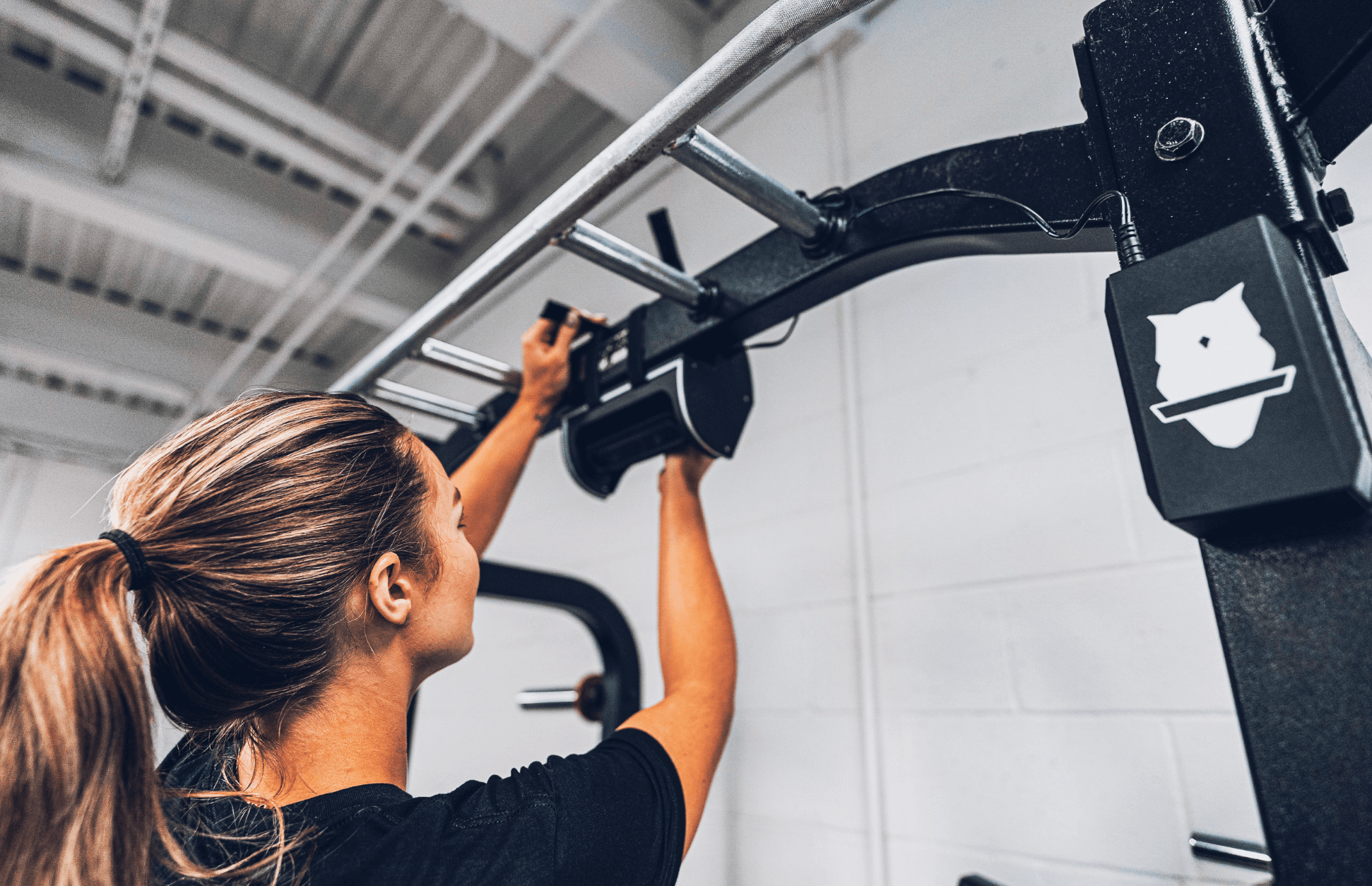
Perch is an ideal solution because it doesn’t require athletes to wear devices, or messy strings, or more equipment on the floor, and integrates seamlessly into existing weight room routines.
Example Application:Use bar speed to determine whether an athlete should increase load, maintain current levels, or reduce volume for the day. For instance, if an athlete’s bar speed drops below 0.5 m/s on a squat, it may be time to reduce the weight or increase rest intervals.
5. Address Recovery and Nutrition
High school athletes often have chaotic schedules filled with practices, homework, and social obligations. Without proper recovery and nutrition, strength gains can be limited.
Key Considerations:
- Encourage 8-10 hours of sleep per night
- Provide guidance on post-workout nutrition (e.g., protein and carbohydrates within 30 minutes)
- Include recovery sessions such as stretching, foam rolling, or mobility drills in the weekly plan
Athletes should be taught to listen to their bodies and communicate soreness, fatigue, or discomfort.
6. Prioritize Education and Culture
A program is only as effective as the buy-in it receives. Educating athletes on the “why” behind each aspect of training cultivates long-term commitment.
Ways to Build Culture:
- Educate athletes on training principles during warm-ups or cooldowns
- Use real-time feedback tools to gamify workouts and build competition
- Create leadership roles within the weight room for experienced athletes
When athletes understand the goals and are motivated by the process, they are more likely to stay consistent and injury-free.
7. Sample 3-Day High School Training Split
Here’s a simplified weekly structure that covers key movement patterns:
Day 1: Total Body (Strength Focus)
- Back Squat: 3×5
- Pull-Ups: 3×8 (assisted if needed)
- Dumbbell Bench Press: 3×10
- Plank Variations: 3×30 seconds
Day 2: Speed & Power Focus
- Hang Power Clean: 4×3
- Broad Jump: 4×3
- Sled Pushes: 3×20 yards
- Medicine Ball Throws: 3×5 each side
Day 3: Hypertrophy and Recovery
- Bulgarian Split Squats: 3×10
- Seated Row: 3×12
- Incline Dumbbell Press: 3×12
- Band Face Pulls: 3×15
- Foam Rolling & Stretching: 10 minutes
Make sure to adjust loads and reps based on individual needs and development stages.
Conclusion
Designing a strength training program for high school athletes is about more than sets and reps. It’s about fostering a safe, educational, and motivating environment that builds better athletes and more confident young adults. By emphasizing fundamentals, using technology to personalize programming, and prioritizing recovery and culture, coaches can create lasting impact.
Contact us to learn about implementing Perch in your weight room
Sources:
- Faigenbaum, A. D., & Myer, G. D. (2010). “Strength Training for Young Athletes.” Journal of Strength & Conditioning Research.
- McGill, S. M. (2007). Low Back Disorders: Evidence-Based Prevention and Rehabilitation.
- Zourdos, M. C., Helms, E. R., & Hackett, D. A. (2016). “Auto-Regulating Resistance Training.”
- Comfort, P., & McMahon, J. J. (2015). “Resistance Training and Sports Performance.”
- Halson, S. L. (2014). “Monitoring Training Load to Understand Fatigue in Athletes.”